L'impact de l'IA sur les opérations logistiques e-commerce
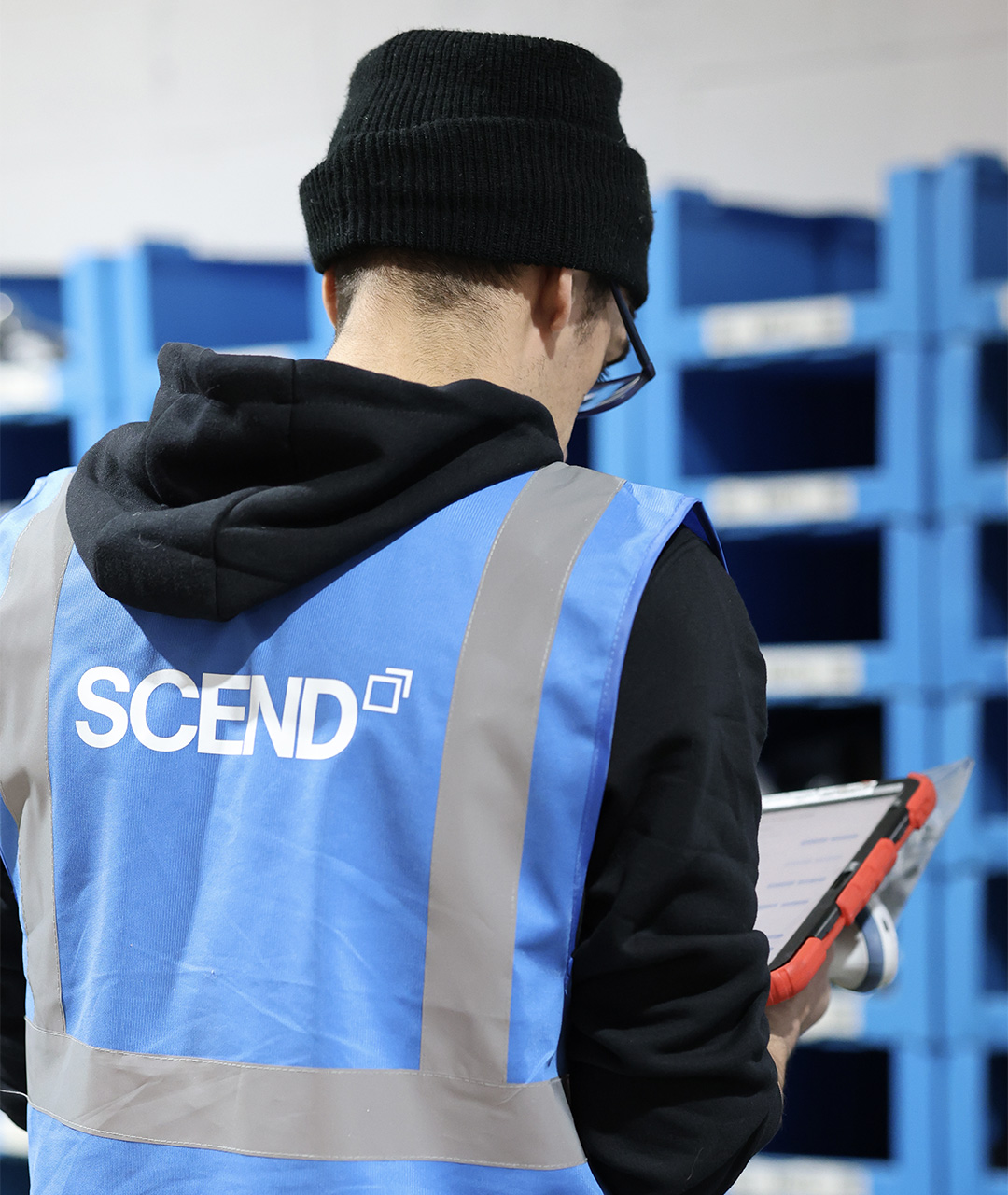
Il n'y a pas si longtemps, la logistique e-commerce était largement invisible pour le client final. Un clic, un e-mail de confirmation et un colis arrivant quelques jours plus tard, telle était l'attente. Aujourd'hui, ce même client s'attend à une livraison le lendemain, un suivi en temps réel et une précision parfaite à chaque fois.
Derrière ce changement se cache une révolution silencieuse : l'intelligence artificielle transforme les opérations logistiques du commerce électronique. Ce qui était autrefois un processus manuel et réactif devient maintenant intelligent, prédictif et remarquablement efficace.
Du chaos de l'entrepôt au flux intelligent
Imaginez un entrepôt traditionnel en pleine saison, des rangées d'étagères, des employés parcourant les allées, des presse-papiers ou des scanners portables guidant chaque étape. Cela fonctionnait, mais ce n'était pas optimisé. Du temps était perdu en déplacements, des erreurs s'y glissaient, et la mise à l'échelle lors des pics de demande était un défi constant.
Imaginez maintenant ce même entrepôt alimenté par l'IA. Les commandes sont regroupées intelligemment avant même qu'un employé ne fasse un pas. Les itinéraires de prélèvement sont calculés en temps réel, réduisant les déplacements inutiles. Les emplacements des stocks sont optimisés dynamiquement en fonction des schémas de demande.
C'est la réalité des solutions modernes de logistique e-commerce. Chez SCEND, nous tirons parti de l'IA au sein de nos opérations de traitement des commandes pour transformer les entrepôts en écosystèmes hautement coordonnés plutôt qu'en simples espaces de stockage très fréquentés.
Le moment où une commande est passée
La transformation commence dès l'instant où un client clique sur « acheter ».
Au lieu de simplement envoyer une commande dans une file d'attente, les systèmes d'IA l'analysent immédiatement dans son contexte : Quelles autres commandes sont en cours de traitement ? Où se trouvent les articles ? Quel est le moyen le plus rapide de traiter plusieurs commandes simultanément ?
Dans les environnements avancés de préparation et d'emballage, l'IA orchestre ce processus de manière transparente. Les commandes sont regroupées par lots, priorisées et acheminées à travers l'entrepôt de la manière la plus efficace possible.
Le résultat est subtil mais puissant :
- Délais d'exécution plus rapides
- Moins d'erreurs
- Un flux de travail plus fluide pour le personnel
Ce qui reposait auparavant largement sur la prise de décision humaine est désormais amélioré par des systèmes qui apprennent et s'améliorent continuellement.
Apprendre de chaque mouvement
L'une des plus grandes forces de l'IA en logistique est sa capacité d'apprentissage. Chaque scan, chaque prélèvement, chaque expédition alimente le système en données.
Au fil du temps, des tendances se dessinent. Certains produits se vendent plus rapidement certains jours. Certains itinéraires d'entrepôt sont systématiquement plus performants que d'autres. Les tendances saisonnières deviennent prévisibles plutôt que surprenantes.
Au lieu de réagir à ces tendances après coup, l'IA les anticipe. Les stocks sont positionnés là où ils sont le plus susceptibles d'être nécessaires. Les niveaux de stock s'ajustent dynamiquement. Les entreprises évitent le double piège du surstockage et des ruptures de stock aux moments critiques.
Cette transition, du réactif au prédictif, est ce qui définit la nouvelle ère de la logistique e-commerce.
Redéfinir la précision à grande échelle
Dans le monde du commerce en ligne, une seule erreur peut gâcher une expérience par ailleurs parfaite. Un article erroné, un produit manquant ou un envoi retardé entraîne souvent des retours, des remboursements et une perte de confiance.
L'IA réduit considérablement ces risques. Grâce à des systèmes de vérification intelligents, des contrôles automatisés et une optimisation continue, les opérations de traitement des commandes deviennent plus précises que jamais.
Plutôt que de s'appuyer uniquement sur des vérifications manuelles, l'IA ajoute une couche de cohérence qui ne se fatigue pas et ne néglige aucun détail. Le résultat n'est pas seulement une efficacité opérationnelle, mais aussi une confiance, tant pour les entreprises que pour leurs clients.
Au-delà de l'entrepôt : Le voyage continue
L'influence de l'IA ne s'arrête pas une fois qu'une commande quitte l'entrepôt. En fait, le parcours devient encore plus dynamique.
Les itinéraires de livraison sont optimisés en temps réel, en s'adaptant au trafic, à la météo et aux créneaux de livraison. Les clients reçoivent des estimations de livraison plus précises. Les réseaux logistiques deviennent flexibles, s'adaptant aux perturbations sans retards majeurs.
Pour le client final, cela semble sans effort. Pour les prestataires logistiques, c'est le résultat de systèmes hautement sophistiqués œuvrant en coulisses.
Pourquoi c'est plus important que jamais
À mesure que le commerce électronique continue de croître, les attentes ne feront qu'augmenter. Des livraisons plus rapides, des coûts réduits et une exécution impeccable ne sont plus des éléments différenciateurs ; ce sont des exigences de base.
Propulsé par l'IA Solutions logistiques e-commerce permettent aux entreprises de répondre à ces attentes tout en se développant durablement. Elles réduisent la pression opérationnelle, libèrent des gains d'efficacité et créent des opportunités de croissance sans augmentation proportionnelle des coûts ou de la complexité.
Quelques avantages clés se distinguent toujours clairement :
- Une plus grande efficacité opérationnelle grâce à l'automatisation
- Précision améliorée et retours réduits
- Gestion des stocks plus intelligente
- Satisfaction client accrue
La voie à suivre
Nous n'en sommes qu'au début de cette transformation. La prochaine phase de l'IA dans la logistique inclura probablement une automatisation encore plus poussée : systèmes de prélèvement robotisés, entrepôts autonomes et expériences de livraison hyper-personnalisées.
Mais même aujourd'hui, l'impact est indéniable. L'IA n'est plus un avantage concurrentiel réservé aux géants de l'industrie ; elle devient un élément fondamental des opérations logistiques modernes.
Réflexions finales
L'histoire de la logistique e-commerce ne se résume plus à déplacer des produits d'un point A à un point B. Il s'agit d'intelligence, d'adaptabilité et de précision à chaque étape du parcours.
L'IA réécrit cette histoire, discrètement mais fondamentalement. Et pour les entreprises prêtes à l'adopter, le résultat est une opération logistique qui non seulement suit la demande, mais la devance d'un pas.
.webp)
.webp)


