Amazon Just Halved Its Packaging. Here's What That Means for Everyone Else.
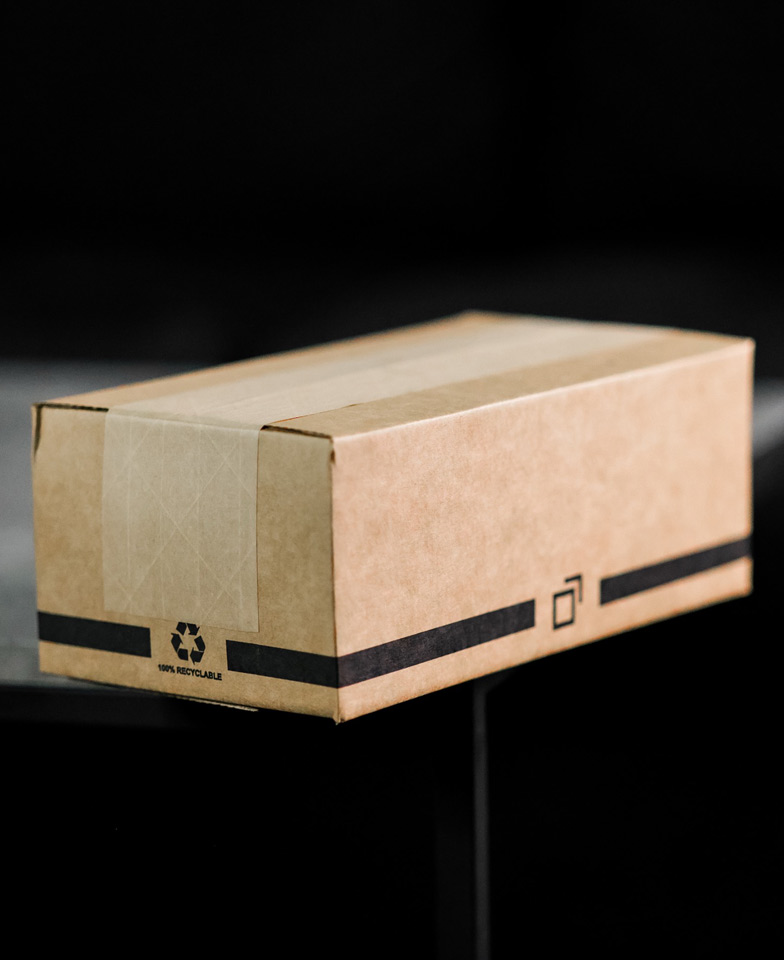
Amazon has confirmed that more than 50% of its deliveries now arrive with less packaging, or with no added packaging at all. It's a genuinely big shift for the world's largest retailer, and it's going to change what your customers expect from every parcel that lands on their doorstep, including yours.
You don't need Amazon's warehouse robotics or its packaging engineers to keep up.You need a fulfilment partner who was already thinking about this before it became a headline.
What Amazon actually announced
The figure comes from Amazon's own sustainability reporting: over half of its global deliveries are now shipped in reduced packaging, such as paper mailers and right-sized boxes, or in the product's original packaging with no additional box at all. Amazon has also been rolling out automated packaging machines across its European network that build made-to-fit boxes and bags in real time, cutting down on void fill and oversized cartons.
None of this is really new territory for Amazon. It's been chipping away at plastic pillows, air fill, and oversized boxes for years. What's changed is that the number has crossed the halfway mark, and that's the kind of milestone that gets picked up by every trade publication and, soon enough, by your customers.
Why this matters beyond Amazon
Here's the thing about a stat like this. Once a customer sees it applied to one brand's deliveries, they start noticing when it isn't applied to yours. A shoe brand shipping a single pair in a box big enough for four pairs, padded out with air pillows, starts to look dated rather than premium.
This is a trend our sustainable fulfilment work has been tracking for a while: 93% of Gen Z and millennial shoppers say they place real value on brands that take environmental responsibility seriously. Packaging is one of the few parts of that story a customer actually sees and touches, which makes it one of the highest-leverage places to get right.
The real cost of over-packaging
Oversized boxes aren't just a sustainability problem, they're a margin problem. Every centimetre of unnecessary void fill means a bigger box, a higher dimensional weight charge, and a higher courier bill on every single order. Multiply that across thousands of parcels a month and it adds up fast.
There's also the unboxing experience to think about. A product rattling around in a box three sizes too big doesn't feel premium, it feels like an after thought. Getting the box size right is one of the simplest ways to make a brand feel considered rather than careless, and it happens to save money at the same time.
How smaller brands can compete without Amazon's budget
You don't need a fleet of packaging robots to close this gap. Most of it comes down to decisions your fulfilment partner should already be making on your behalf.
Right-sized packaging as standard
Every order should be matched to the smallest safe box or mailer for that product, not the box that happens to be nearest to hand. This alone accounts for most of the packaging reduction Amazon is reporting.
Materials that do double duty
Recyclable, curbside-friendly materials protect the product and support the brand story, without needing a separate sustainability initiative bolted on afterwards.
A 3PL that's already solved this
This is really a partner question more than a packaging question. If your fulfilment provider is already rightsizing, already recyclable, and already measuring it, you inherit the benefit without having to build any of it yourself.
How we approach this at SCEND
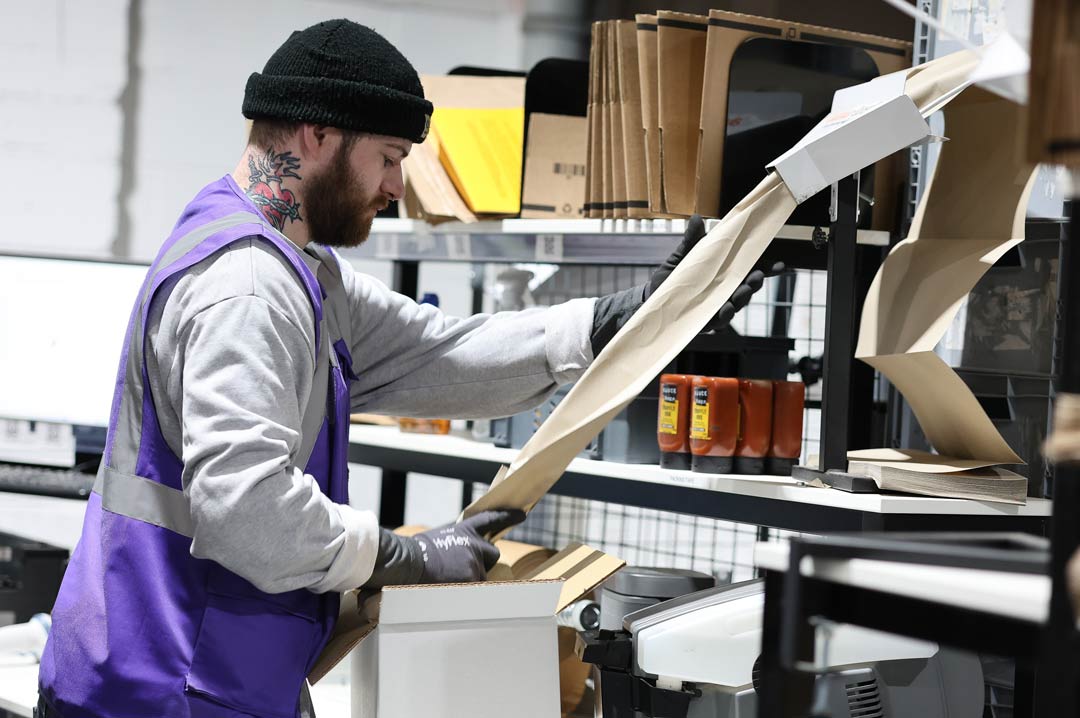
Every order that comes through our UK and EU fulfilment centres is matched to the smallest suitable box or mailer at the packing stage, not chosen from whatever's closest on the shelf. Our packaging is fully recyclable, and as a B Corp Certified 3PL, our approach to reducing waste is independently audited rather than self-reported.
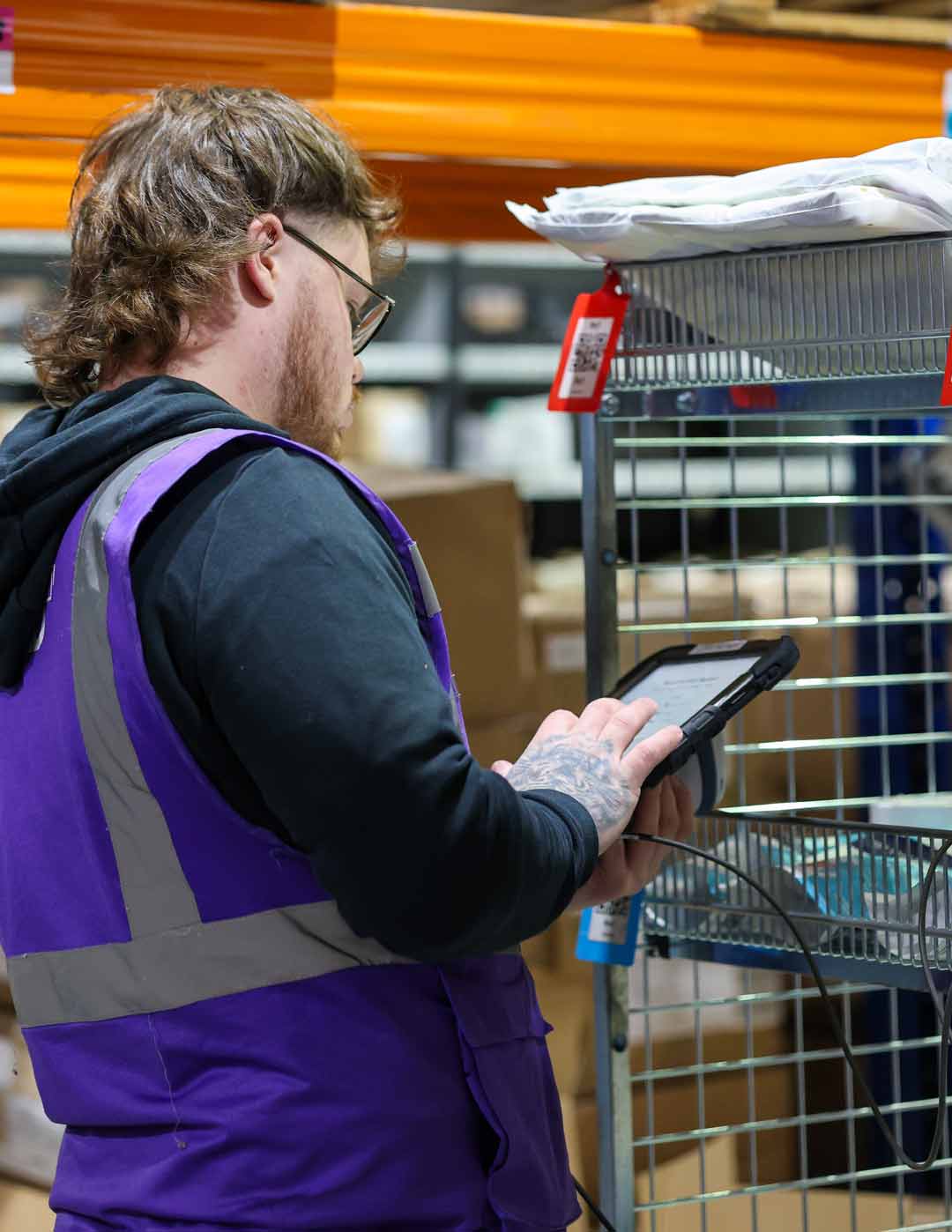
It's part of the same thinking behind our wider sustainable fulfilment commitments, and it runs alongside the rest of our fulfilment process, from pick and pack through to dispatch.
What to ask your fulfilment partner
Do you right size packaging on every order, or only on request?
What percentage of your parcels ship without added void fill?
Are your packaging materials recyclable through standard household recycling?
Is your sustainability claim independently certified, or is it self-reported?
Can you show me the actual box sizes you'd use for my product range?
Frequently Asked Questions
What did Amazon actually announce about packaging?
Amazon confirmed that over 50% of its global deliveries now arrive with less packaging, or no added packaging at all, as part of a long-running programme to cut void fill, plastic, and oversized boxes.
Does this apply to smaller eCommerce brands too?
The announcement is specific to Amazon, but the shift in customer expectations it creates applies to any brand shipping direct to consumers. Right-sized, recyclable packaging is increasingly the baseline, not the bonus.
How can a small brand reduce packaging without Amazon's resources?
Most of the gain comes from choosing a fulfilment partner that already rightsizes packaging and uses recyclable materials as standard, rather than building the infrastructure in-house.
Does reducing packaging actually save money?
Yes. Smaller boxes typically mean lower dimensional weight charges from couriers, less material cost per order, and often faster pack times, alongside the sustainability benefit.
Is SCEND's packaging approach independently verified?
Yes.SCEND is a B Corp Certified 3PL, meaning our environmental and social practices are independently audited rather than self-assessed.
Curious how your current packaging spend compares once it's rightsized? Get in touch with the SCEND team to talk through your fulfilment setup.
.webp)
.webp)


