Can Shopify Be Integrated with Inventory Management Systems?
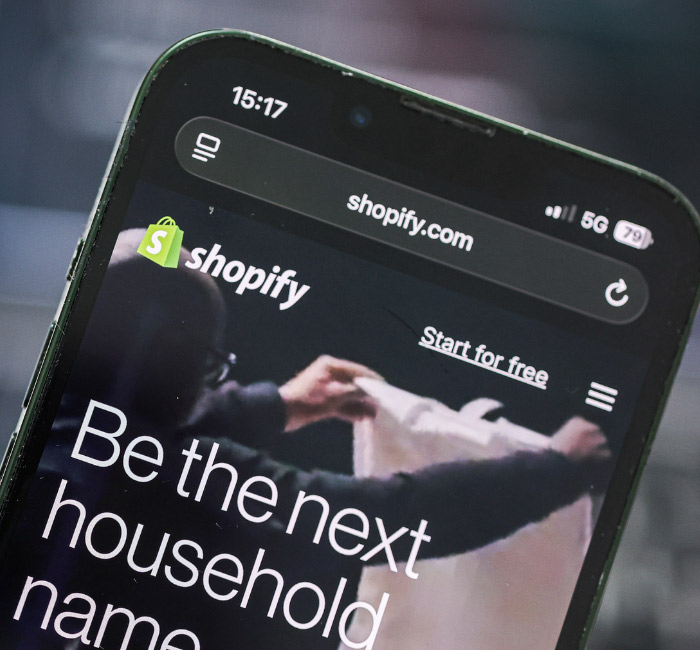
If you're running your eCommerce store on Shopify, you're in good company. It's one of the world's most popular platforms for a reason — it's intuitive, powerful, and built to scale. But as your order volumes grow, one question tends to come up pretty quickly: can Shopify be integrated with inventory management systems?
The short answer is yes, absolutely. And getting that integration right can make a significant difference to how efficiently your business runs.
In this article, we'll walk through how Shopify inventory management integration works, what the benefits are, and how partnering with a Shopify fulfilment provider like SCEND takes the whole process to another level.
Why Inventory Management Matters for Shopify Stores
Before diving into the how, it's worth understanding the why. For any online retailer, inventory management is the foundation everything else is built on. If your stock data is inaccurate, the knock-on effects are immediate and painful — overselling products you don't have, underselling because you think you're lower on stock than you are, delays in dispatch, and unhappy customers.
Shopify has built-in inventory tracking, which works well at smaller volumes. But as your catalogue grows, as you start selling across multiple channels, or as you begin working with a fulfilment partner, you need something more robust. That's where integrated inventory management systems come in.
How Does Shopify Inventory Integration Work?
Shopify is designed to be connected. It offers an open API that allows third-party systems — including warehouse management systems (WMS), inventory management platforms, and 3PL fulfilment software — to sync directly with your store.
In practice, this means:
- Orders placed on your Shopify store are automatically sent to your fulfilment partner or inventory system in real time.
- Stock levels update automatically as orders are picked and dispatched.
- Returns are logged and inventory adjusted without any manual input.
- You get a single, accurate view of your stock at all times — regardless of how many sales channels you're selling across.
No manual data entry. No spreadsheets. No lag between what your store shows and what's actually in the warehouse.
Shopify and 3PL Integration: The Most Powerful Combination
For growing eCommerce brands, the most impactful form of Shopify inventory integration is connecting your store directly to a third-party logistics (3PL) provider.
A 3PL handles your warehousing, pick and pack, dispatch, and returns management — and when they're properly integrated with Shopify, the entire operation becomes seamless and automated. Orders flow in, get processed, and tracking information flows back to your customers, all without you having to lift a finger.
At SCEND, our Shopify integration uses API-driven automation to connect directly with both Shopify and Shopify Plus. The moment an order is placed in your store, it's received by our system, processed, and moves through picking, packing, and dispatch — with inventory updated at every step.
What You Actually Get with SCEND's Shopify Integration
Here's how it works in practice, from the moment your stock arrives with us to the moment it lands on your customer's doorstep.
Step 1: Stock Intake and Inventory Logging
When your products arrive at our warehouse, every item is received, scanned, and logged into our system. SKUs, batch numbers, and expiry dates (where relevant) are all recorded and synced with your Shopify store. From day one, your inventory data is accurate and up to date.
Step 2: Storage and Inventory Management
Your stock is stored safely with proper rotation in place. Our inventory management system keeps track of every unit in real time, flagging low stock levels before they become a problem. Your Shopify store always reflects what's actually available.
Step 3: Pick, Pack, and Dispatch
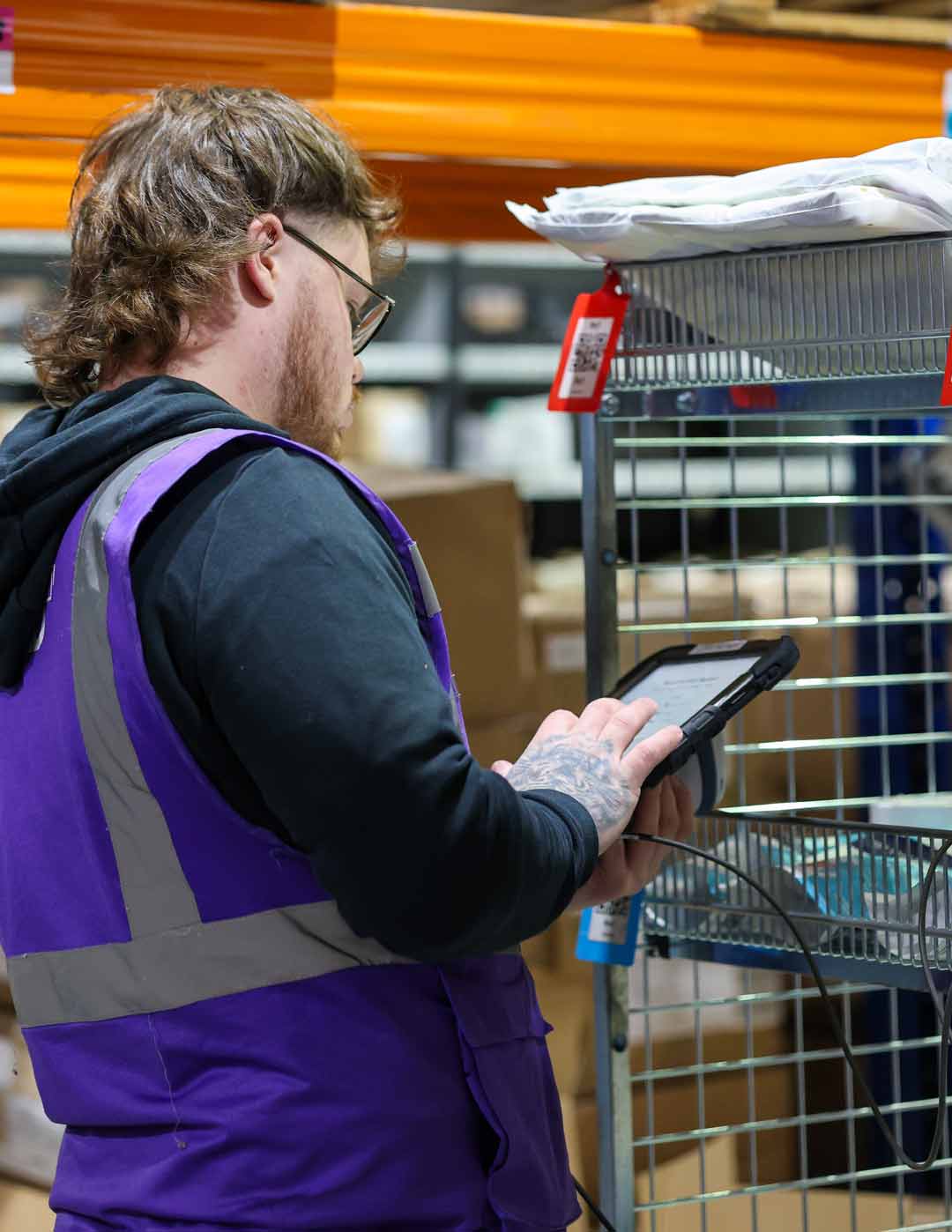
When an order comes in through Shopify, our paperless scanning system guides the pick. Items are verified, packed using eco-friendly materials, and triple-checked before same-day dispatch. Inventory is decremented automatically the moment an order ships.
Step 4: Tracking and Returns Management
Full shipping tracking is sent back to your Shopify store and on to your customers automatically. When returns arrive, we inspect and process them, update your inventory, and follow your instructions for restocking or disposal — all reflected in your Shopify dashboard.
The result is a fully joined-up operation, where your Shopify store and your physical fulfilment are always in sync.
The Benefits of Integrating Shopify with an Inventory Management System
The operational gains from getting this integration right are substantial. Here's what eCommerce brands typically experience:
Accurate stock levels across every channel. Whether you're selling through your Shopify store, Amazon, TikTok Shop, or anywhere else, your inventory data stays consistent and up to date. Overselling becomes a thing of the past.
Faster order processing. Automated order transfer means no delay between a customer hitting "buy" and your fulfilment team getting to work. This directly improves dispatch times and customer satisfaction.
Real-time visibility. With SCEND, you get access to a 24/7 online fulfilment portal. You can monitor every order as it moves through the fulfilment process, check live inventory levels, and review returns activity — all in one place.
Fewer errors. Manual data entry is one of the biggest sources of fulfilment mistakes. Integration eliminates it entirely, replacing human input with automated, verified data flows.
Scalability without the admin. As your order volumes grow, an integrated system scales with you. You don't need to hire more people to manage spreadsheets or manually reconcile stock — the system handles it.
Is Shopify Integration Complicated to Set Up?
This is a common concern, and it's a fair one. The good news is that with the right fulfilment partner, the setup process is much simpler than most brands expect.
At SCEND, onboarding begins with a video call where we connect your Shopify store, configure your automation rules, and walk you through our warehouse management system. Most brands are fully operational from day one. You don't need technical expertise on your side — we handle the integration and make sure everything is working correctly before your first order comes through.
The transition is designed to be smooth, low-stress, and fast, so you can start benefiting from integrated fulfilment as quickly as possible.
Shopify Plus: Even More Integration Power
If you're on Shopify Plus, the integration capabilities go even further. Shopify Plus offers advanced API access and automation features that allow for more customised workflows — particularly useful for brands with complex fulfilment requirements, multi-location inventory, or high order volumes.
SCEND works with both Shopify and Shopify Plus, and our system is built to take full advantage of what the platform offers at every tier. Whether you're a growing DTC brand just starting to think about outsourcing fulfilment, or an established retailer processing thousands of orders a day, we have the integration infrastructure to support you.
What SCEND's Clients Say
The proof is in the partnerships. Loop Earplugs, one of the fastest-growing audio brands in the world, turned to SCEND for their fulfilment needs and have described us as much more than a vendor — a true partner in their growth.
OYO, a fast-growing eCommerce brand, highlighted same-day dispatch and delivery within just three business days as standout results from working with SCEND. And The Fox Tan, who needed a logistics partner flexible enough to match their fast-paced business model, found exactly that in SCEND.
These aren't coincidences — they're the result of a Shopify integration that actually works, backed by a team genuinely invested in each brand's success.
Who Is Shopify Inventory Integration Right For?
If any of the following apply to your business, integrating Shopify with a professional inventory management system — ideally through a 3PL partner — is well worth exploring:
- You're spending too much time manually managing stock levels.
- You've experienced overselling or stockout issues.
- Your order volumes are growing and fulfilment is starting to feel like a bottleneck.
- You're selling across multiple channels and struggling to keep inventory in sync.
- You want to offer faster dispatch and better delivery options without expanding your own warehouse.
If that sounds familiar, the combination of Shopify and SCEND's fulfilment and inventory management system is built for exactly this situation.
Ready to Integrate Your Shopify Store?
Getting your Shopify store connected to a professional inventory management and fulfilment system doesn't have to be complicated or disruptive. With SCEND, the process is straightforward, the technology is proven, and the results speak for themselves.
We integrate seamlessly with Shopify and Shopify Plus, as well as a wide range of other platforms including WooCommerce, Magento, TikTok Shop, Amazon, and BigCommerce. So wherever your customers shop, we've got you covered.
Get in touch with the SCEND team or book a call to find out how quickly we can get your Shopify store connected and your fulfilment running like clockwork.
Frequently Asked Questions
Can Shopify be integrated with inventory management systems?
Yes. Shopify offers an open API that connects directly with inventory management systems, warehouse management platforms, and 3PL fulfilment software. This allows stock levels, order data, and tracking information to sync automatically in real time.
What is the benefit of integrating Shopify with a 3PL's inventory system?
Integration eliminates manual data entry, keeps stock levels accurate across all sales channels, speeds up order processing, and gives you real-time visibility into your fulfilment operation. It's one of the most impactful steps a growing eCommerce brand can take.
Does SCEND integrate with Shopify Plus?
Yes. SCEND integrates with both Shopify and Shopify Plus, taking full advantage of the advanced API and automation capabilities available on the Plus tier for high-volume and more complex fulfilment requirements.
How long does it take to set up Shopify integration with SCEND?
Onboarding is fast. After an initial video call to connect your store and configure your settings, most brands are fully operational from day one. SCEND handles the technical setup so you don't need to.
Will my Shopify stock levels update automatically when orders are fulfilled?
Yes. As soon as an order is picked and dispatched by SCEND, your Shopify inventory is decremented automatically. Returns are also processed and reflected in your stock levels without any manual input required.
Is Shopify inventory integration suitable for small eCommerce businesses?
Absolutely. While larger brands benefit significantly from integrated fulfilment, smaller and growing businesses often see the most dramatic improvements — particularly in time saved, error reduction, and the ability to scale without being held back by logistics.

.webp)
.webp)


