Top eCommerce 3PL Companies in the UK: How to Choose the Right One
Search “top logistics companies in the UK” and you’ll get a list of household names: DHL, XPO, Wincanton, DPD. Big, capable, and almost entirely irrelevant if you’re a growing eCommerce brand looking for a 3PL to pick, pack, and dispatch your orders.
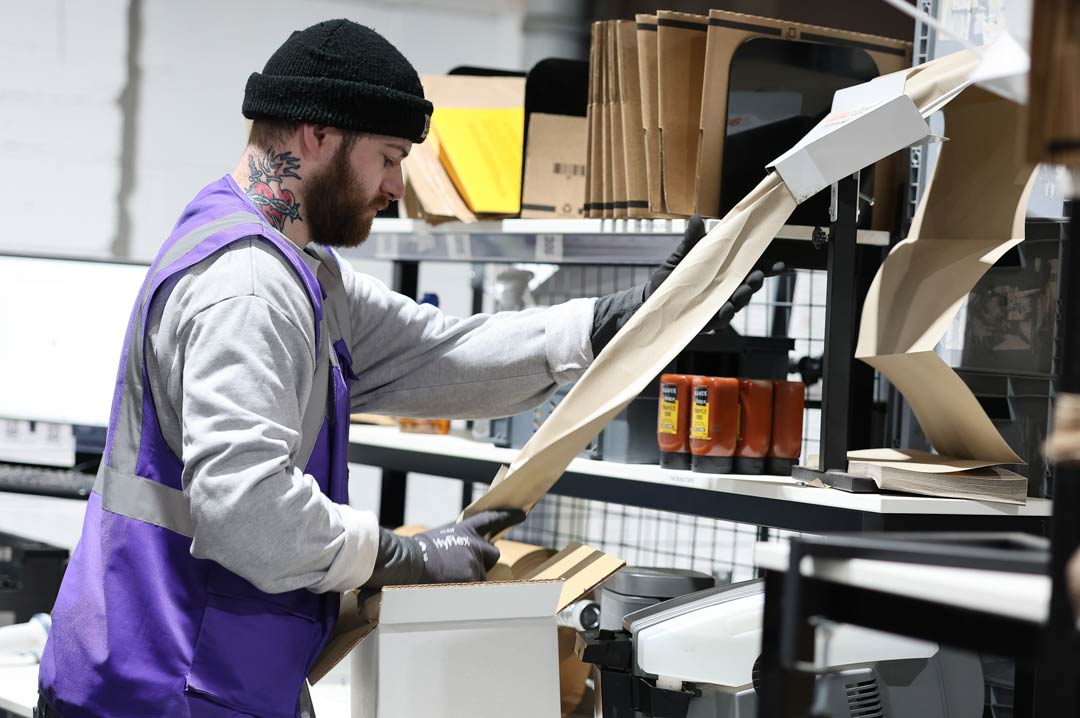
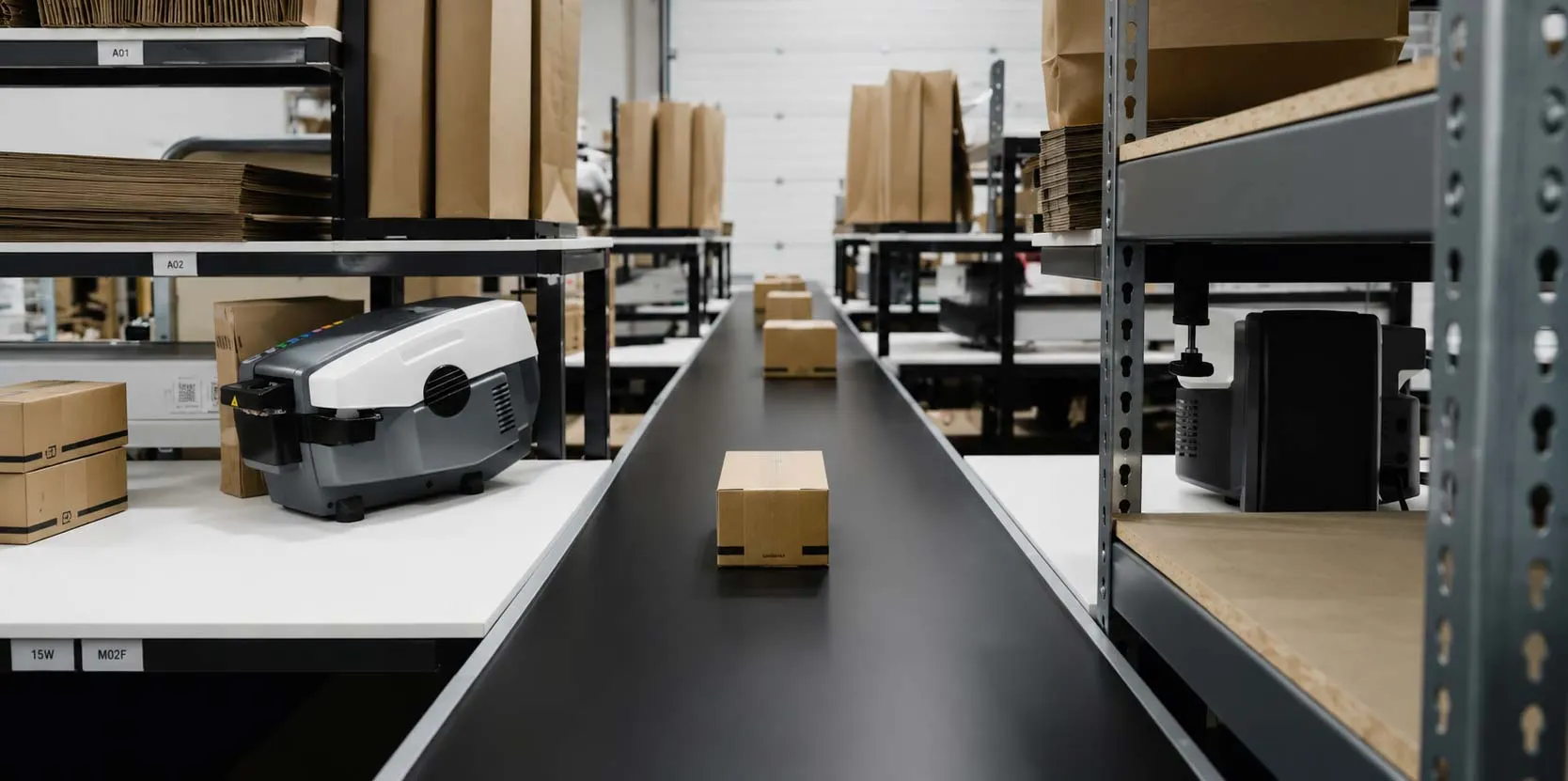
That’s the first thing worth clearing up. “Logistics” is a broad term covering freight, haulage, distribution, and supply chain at every scale. What most eCommerce brands actually need is a different, more specific thing: a 3PL fulfilment partner, built for online order volumes, fast dispatch, accurate picking, and the platform integrations that keep a Shopify or WooCommerce store running smoothly.
This article is about that category specifically: the best eCommerce 3PL companies in the UK, what actually separates a strong one from an average one, and how to compare your options properly rather than relying on a generic “top 10” list.
Why Generic “Top Logistics” Lists Don’t Help eCommerce Brands
Most “best 3PL” content online falls into one of two camps.
The first is broad logistics rankings that mix freight forwarders, haulage companies, and supply chain consultancies in with eCommerce fulfilment specialists. These are useful if you’re moving pallets between distribution centres. They’re not useful if you’re trying to ship 500 D2C parcels a day with same-day dispatch.
The second is self-published “top 10” content, written by 3PLs themselves, ranking their own company first, with a handful of competitors listed underneath for the appearance of objectivity. It’s worth reading these critically: check whether the list is genuinely independent, and whether the criteria used to rank providers are disclosed or just asserted.
A more useful approach is to understand what actually separates a strong eCommerce 3PL from an average one, and use that to build your own shortlist based on your specific needs, sector, order volume, growth stage, and geographic reach.
What makes the best 3PL companies?
The best 3PL companies are strong on the things you can measure: pick and pack accuracy, late dispatch cut-offs, native platform integrations and transparent pricing. They’re also strong on the things that are harder to measure, like how well they communicate, what they can get from couriers, and how much they can do beyond pick and pack. These are the criteria worth comparing providers on.
Pick and pack accuracy
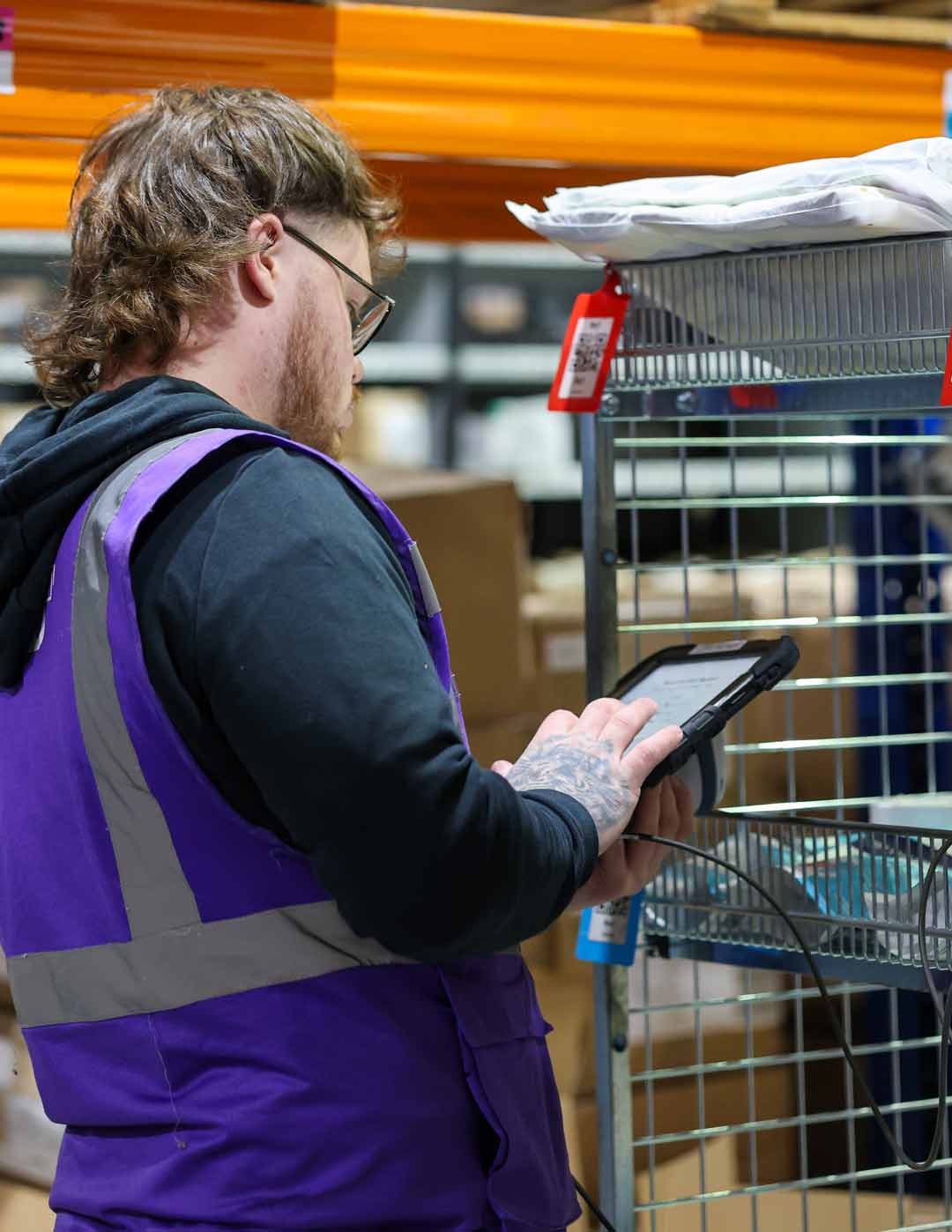
This is the most measurable, most important metric in fulfilment. A 3PL should be able to tell you their pick & pack accuracy rate without hesitation. Anything below 99% creates a meaningful number of customer-facing errors at any real volume. The strongest operators in the UK sit at 99.5% to 99.9%.
Dispatch cut-off times
How late in the day can a customer order and still get same-day dispatch? This varies significantly across UK 3PLs, some cut off at 2pm, others extend to 6pm or later. A later cut-off is a genuine competitive advantage for your checkout experience, particularly for brands competing with same-day delivery promises from larger retailers.
Platform integrations
Native, real-time integration with your sales channels, Shopify, Shopify Plus, WooCommerce, Amazon, TikTok Shop, BigCommerce, should be standard. The strongest 3PLs support multi-channel selling out of the box, without custom development work or manual order entry.
B2B and B2C capability under one roof
If you’re selling direct-to-consumer now but might move into wholesale or retail later, or already do both, a 3PL that handles both channels avoids the complexity of running two separate fulfilment relationships. Retail compliance, bulk order processing, and consumer parcel dispatch require different operational capabilities, and not every 3PL does both well.
Geographic footprint
Where the fulfilment centre is located affects delivery speed to your customer base. A 3PL based centrally in the UK reaches the whole country efficiently. If you’re selling into Europe, a 3PL with an EU fulfilment centre, not just a UK site shipping cross-border, removes the post-Brexit customs friction entirely.
Transparent pricing
The best UK 3PLs are upfront about their fee structure: storage, pick and pack, goods-in, returns processing. Hidden charges, vague quotes, and unstructured pricing can be a red flag.
Sector experience and certifications
A 3PL with direct experience in your product category, fashion, beauty, supplements, electronics, will understand the specific handling, packaging, and compliance requirements that come with it. Certifications matter too: B Corp status, for example, signals a verified standard of social and environmental responsibility that’s increasingly important to eCommerce brands and their customers.
Carrier relationships and shipping rates
A 3PL sending thousands of parcels a day has buying power that a single brand doesn’t. That should show up as better rates, later collections and a wider choice of services, from tracked 48-hour to next day and international. Ask which couriers they work with, whether they choose the best service for each parcel, and whether the savings are passed on to you.
Communication and account management
Most 3PL relationships go wrong over communication rather than operations. The best providers give you a named account manager, flag problems before your customers notice and reply within hours. A good test is how quickly and clearly they respond during the sales process, because it rarely improves after you sign.
Value-added services
Kitting, gift sets, personalisation, branded packaging, contract packing and returns grading all shape the customer experience. When this work happens in the same building as your stock, nothing has to travel between suppliers, and you keep one accurate set of stock figures.
Can a 3PL scale with your growth?
It should, and it’s worth checking before you sign rather than finding out at your first big peak. A provider that fits your brand today but can’t grow with it means moving 3PL in a year or two, usually at the worst possible moment.
Scalability shows up in five places.
Peak capacity. A good 3PL absorbs a sudden jump in orders, whether that’s Black Friday, a product launch or a viral moment, without capping volumes or letting dispatch times slip. Ask what their busiest day last year looked like and how they staffed it. Our Black Friday fulfilment guide covers what peak readiness looks like in practice.
Flexible storage. You should be able to take on more space for peak and give it back afterwards, paying for the space you use rather than a fixed footprint you’ve outgrown or no longer need.
New channels. Plenty of brands start direct-to-consumer, then land a retail or wholesale account. A 3PL that handles B2B orders, retailer labelling and pallet deliveries alongside your online orders saves you from adding a second provider. Read more on moving from DTC into B2B.
New markets. If Europe is part of the plan, a partner with both UK and EU fulfilment centres lets you hold stock inside the EU and ship orders as domestic deliveries, without changing provider. Our guide to UK and EU fulfilment post-Brexit explains how it works.
Systems that keep up. Integrations, reporting and inventory tools should work as well at 5,000 orders a day as they do at 50. Ask whether a new sales channel can be connected without custom development, and how long it takes.
At SCEND, brands can grow from UK direct-to-consumer into wholesale and EU fulfilment with the same team and the same system across our UK and EU fulfilment centres. Loop Earplugs started with us in the UK and later moved its EU fulfilment over too. Read the Loop Earplugs story.
The UK eCommerce 3PL Landscape
The UK has a genuinely competitive eCommerce fulfilment market, with providers spanning a range of sizes, specialisms, and service models. Broadly, the market splits into a few categories:
Large multi-national 3PLs with significant scale, often serving enterprise clients across multiple sectors. These can offer extensive infrastructure but may feel less agile or personal for fast-growing DTC brands.
Eco/sustainability-focused fulfilment providers, who position around plastic-free packaging and carbon-conscious delivery, a growing priority for eCommerce brands and their customers.
Tech-first 3PLs, who lead with proprietary warehouse management software, real-time dashboards, and AI-assisted picking as their primary differentiator.
Founder-led, mid-market 3PLs, typically serving brands somewhere between early growth and established scale, often with closer account management and a more flexible service model.
B2B and retail-focused 3PLs, who specialise in wholesale fulfilment, retailer compliance, and contract packing alongside or instead of consumer DTC orders.
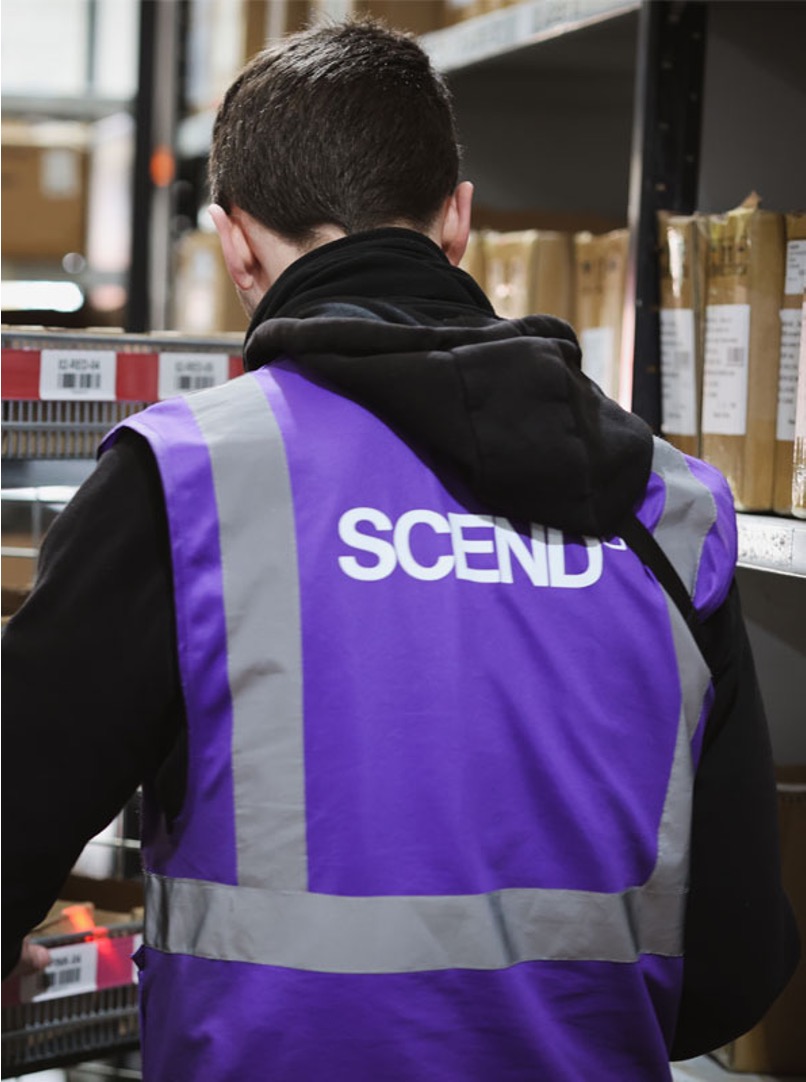
Where SCEND sits in this landscape: we’re a B Corp certified 3PL built specifically for fast-growing DTC and eCommerce brands, with both UK and EU fulfilment centres. We run a 99.9% pick and pack accuracy rate and a 9PM same-day dispatch cut-off, and we handle both B2C and B2B fulfilment under one roof, which matters for brands that sell direct but are also moving into wholesale or retail.
We’re not the right fit for every brand. A business shipping pallet freight at industrial scale, or one needing extensive multi-modal logistics consultancy, will likely be better served by a larger contract logistics provider. But for eCommerce and DTC brands that need accurate, fast, scalable fulfilment with genuine UK and EU reach, we believe we’re a strong option worth including on your shortlist.
How to Build Your Own Shortlist
Rather than relying on someone else’s ranking, here’s a more reliable way to compare 3PLs against your specific needs.
- Define your non-negotiables first. Order volume, product type, geographic markets, growth trajectory.
- Ask for accuracy and performance data directly. Pick accuracy, dispatch SLA, average response time, not marketing copy.
- Request client references in your sector. Performance for one brand type doesn’t guarantee the same for another.
- Get a clear, itemised pricing breakdown. Every fee, every minimum, every contract term.
- Visit the fulfilment centre if you can. It tells you more than any sales call.
- Check independent reviews, not just testimonials on their own site, Clutch, Trustpilot, Google Reviews.
7 questions to ask a 3PL before you sign
Once you have a shortlist, these questions separate a good fit from an expensive mistake. Each one comes with the mistake brands most often make when they skip it.
1. Which services do you handle in-house?
Pick and pack is the baseline. Check whether they also run returns, contract packing, B2B orders and value-added work themselves, or pass them to subcontractors.
Mistake to avoid: choosing for what you need today, then needing a second provider the moment you launch a gift set or win a wholesale account.
2. Which brands like ours do you already work with?
Fashion, beauty, food and electronics all have different handling, compliance and packaging needs. Ask for examples and a reference from a brand in your sector.
Mistake to avoid: assuming every 3PL handles every product the same way.
3. What will I actually pay each month?
Ask for a full rate card covering storage, goods in, pick and pack, packaging, postage, returns, and any minimums or account fees. Then model a normal month and a peak month side by side. Our breakdown of 3PL fulfilment costs in the UK shows what to look for.
Mistake to avoid: choosing on the lowest headline pick fee and finding the cost resurfaces elsewhere on the invoice.
4. Where are your fulfilment centres?
Location affects courier collection times, delivery speed and how far your stock travels. A central UK site can reach the whole country quickly, and an EU site puts stock close to European customers.
Mistake to avoid: picking a provider because they’re down the road from you rather than well placed for your customers.
5. How do you handle international shipping, especially to the EU?
Ask how they manage customs, duties and overseas returns, and whether they can hold stock inside the EU. Since July 2026, low-value parcels entering the EU attract duty, which makes shipping every order from the UK more expensive. Our EU de minimis guide explains the change.
Mistake to avoid: treating international as an afterthought until your first big EU order lands.
6. Can you deliver our unboxing experience?
Branded boxes, tissue, inserts, gift notes and personalisation should be routine. Ask to see how they pack for other brands.
Mistake to avoid: letting a plain brown box undo the brand experience you’ve built online.
7. Which platforms and tools do you integrate with?
Your store, marketplaces and other systems should connect natively, with orders and stock syncing automatically. Ask what reporting you’ll get and how quickly a new channel can be added.
Mistake to avoid: accepting manual uploads or one-off custom builds that break as you grow.
If a provider answers all seven clearly, and backs the answers with data and references, you’re close to a decision. If you’d like to put these questions to us, talk to the team.
Frequently Asked Questions
What’s the difference between a 3PL and a logistics company?
“Logistics company” is a broad term covering freight, haulage, distribution, and supply chain services at any scale. A 3PL (third-party logistics provider) specifically refers to a company that manages outsourced fulfilment on behalf of another business — warehousing, pick and pack, and dispatch. Most eCommerce brands searching for “logistics companies” are actually looking for a 3PL fulfilment specialist, not a freight or haulage provider.
How do I know if a “top 3PL” list is genuinely independent?
Check who published it. If it’s a 3PL’s own website ranking itself first, treat it as marketing content rather than independent research. Look for disclosed ranking criteria, third-party review platforms (Clutch, Trustpilot, G2), or matchmaking services that explicitly state they don’t accept pay-to-play placements.
What size of brand is right for a 3PL vs self-fulfilment?
There’s no fixed threshold, but common trigger points include: spending more than 10–15 hours a week on packing and dispatch, struggling to maintain accuracy or speed as order volumes grow, needing to scale for peak periods without hiring permanent staff, or wanting to expand into new sales channels or geographic markets without building new infrastructure.
Is a bigger 3PL always better?
Not necessarily. Larger 3PLs offer scale and infrastructure but can be less responsive and less flexible for fast-growing DTC brands. Mid-market, founder-led 3PLs often provide closer account management and faster decision-making, which matters when you need a quick answer or a process adjusted to your specific product. The right size depends on your order volume, growth stage, and how much hands-on support you need.
Do I need a 3PL with both UK and EU fulfilment centres?
If you sell, or plan to sell, into the EU at meaningful volume, a 3PL with an owned EU fulfilment centre removes the post-Brexit customs friction that comes with shipping cross-border from the UK. If your sales are UK-only, this isn’t a priority — but it’s worth considering even if EU expansion is only a future possibility, since switching providers later is more disruptive than choosing one with the right reach from the start.
Final Thoughts
There’s no single “best” 3PL in the UK, there’s the right one for your brand, your sector, your volume, and your growth plans. The most useful thing you can do is define your own criteria clearly, ask direct questions of every provider on your shortlist, and treat generic rankings, including this one, as a starting point for research rather than a final answer.
If you’d like to talk through what a fulfilment partnership with SCEND would actually look like for your brand, pricing, integrations, accuracy data, sector experience, get in touch. We’re happy to have a direct conversation, including pointing you elsewhere if we’re not the right fit.
Related reading